
Game localization costs depend on four factors: how many words the game contains, how many languages it targets, which service each text needs, and how many hours of in-game testing the project requires. This guide explains how game localization is priced, how to estimate a budget, and which hidden fees most often inflate the final cost.
How game localization is priced
Most providers price each service with a different unit:
- Translation, editing and proofreading (TEP) is priced per word of source text.
- Editing or proofreading only, for text that has already been translated, is priced per word at a lower rate.
- AI post-editing (AIPE), where linguists review and correct AI output, is priced per word at a lower rate than full translation. More on AI post-editing for games.
- Localization QA (LQA), in-game testing of the localized build, is priced per hour.
For games with regular updates, some providers also offer monthly retainers: the studio commits to a steady volume, usually on an annual contract, in exchange for reduced rates and a team that stays available.
How to estimate a game localization budget
A first estimate adds up three parts:
- Text: source word count × number of target languages × per-word rate for the chosen service.
- Testing: estimated LQA hours per language × hourly rate.
- Audio, if needed: voice-over and subtitles, usually quoted separately.
The word count should include every string that players see: UI, dialogue, item descriptions, tutorials, store page and marketing text. Leaving any of these out is one of the most common reasons a final invoice exceeds the estimate.
Why LQA costs are always an estimate
Translation can be priced precisely from a word count. Localization QA cannot, because the time testers need depends on the build itself:
- Cheats. Working cheats let testers skip ahead and reach every screen quickly. Without them, or when they are unreliable or do not unlock the content that needs testing, testers have to play through the game.
- Number of issues. Every bug has to be documented with text, screenshots or video, a category and a suggested fix. A build with many issues takes longer to report.
- Time-limited and multiplayer events. Content that is only available for a short window, or that requires several players at once, has to be scheduled and coordinated.
- Build stability. Crashes and blocking bugs interrupt testing and add time.
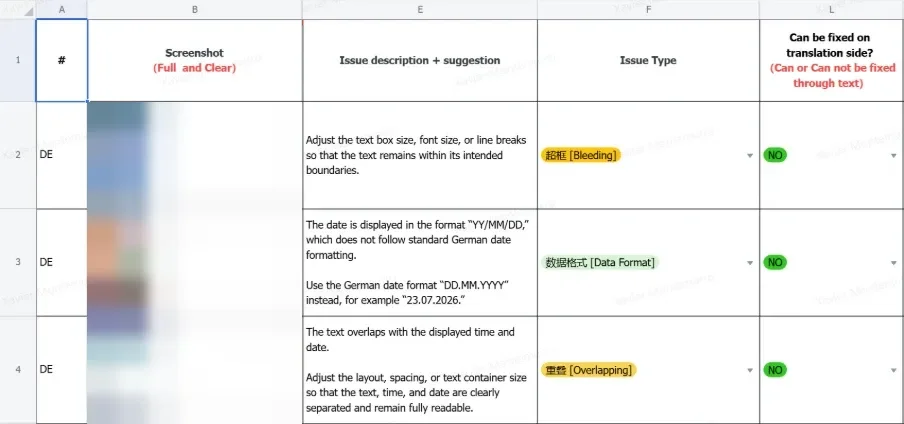
For this reason, an LQA quote is an estimate. Adding a buffer of 2 to 3 hours to the budget avoids surprises; when the build is stable and well prepared, testing can also take less time than planned.
What affects game localization costs
- Word count and languages. The two factors that scale every other cost.
- Service mix. Full TEP costs more per word than proofreading or AIPE. Hybrid projects combine them: creative text receives full localization, while menus and patch notes go through AIPE.
- Volume and continuity. Large volumes and long-term collaborations usually receive better rates.
- Type of client. Indie studios, publishers and mobile developers have different volumes and release rhythms, and quotes are often built around them.
- Testing scope. LQA hours depend on the size of the game, on what the developer wants tested, and on the factors above.
How LCP Localizations prices projects
Quotes are tailored to the type of client, the volume and the expected continuity. Translation, AIPE and editing are priced per word, LQA per hour, and steady volume can move to a monthly retainer on an annual contract. There are no minimum fees and no project management fees, and minor source updates up to 300 words are retranslated free of charge. A free test of 300 to 500 words is available before any commitment, and pilot projects are billed at 30% below the agreed rates. Full details on the game localization services page.
Hidden Fees from Localization Agencies
Not all localization agencies are transparent about their pricing. At first, the quote might look reasonable, but additional fees can surface later. These hidden localization fees can disrupt budgets and timelines, creating tension between developers and agencies. Below are some of the most common fees and their potential impact on your project:
Revision Fees
Some agencies charge extra for revisions, even for minor changes or misunderstandings from the start. These fees can quickly add up, especially for large-scale projects with multiple languages. Developers often find themselves facing unplanned expenses that strain their budgets.
Rush Charges
Tight deadlines often come with steep rush fees. If your timeline shifts and you need translations completed faster, agencies may significantly increase their rates. This can put a serious strain on your budget, particularly if development delays force you to expedite localization.
Context Clarification Fees
Some agencies charge for time spent clarifying additional context. If you haven’t provided clear documentation or a detailed localization kit, this back-and-forth can lead to extra time wasted and higher fees.
Project Management Costs
Project managers are essential for a smooth localization process. They coordinate between your team and the translators, handle revisions, and solve problems. However, some agencies don’t include PM costs in their pricing, charging separately instead, often at the end of the project. Most PMs are paid hourly, so inefficient communication or unnecessarily long waiting times can make these costs skyrocket.
How to Avoid These Costs
To minimize hidden fees and ensure a smoother localization process:
Request a Detailed Pricing Breakdown
Before signing any contracts, ask for a complete breakdown of costs. Ensure the agreement includes revision cycles, clear timelines, and potential extra charges. Also, ask developers who have worked with the agency for feedback.
Provide Extensive Context
Avoid context clarification fees by preparing a detailed localization kit. Include information about characters, storylines, gameplay mechanics, and any relevant details. Use screenshots, videos, and in-game references to help translators understand your game better. Attach clear, descriptive comments to each string to simplify translators’ work.
Choose Agencies with Transparent Pricing
Look for agencies that outline project management costs clearly. Confirm whether a PM is included in the pricing or billed separately. If the PM is paid hourly, discuss their tasks and estimate the required time upfront. Suggest faster communication methods to reduce time spent on coordination and potentially lower costs.
Skipping Localization Testing
Skipping localization testing might seem like a cost-saving measure, but it often leads to more expenses in the long run. Testing ensures critical issues are identified and fixed before release, making it a foundation for cost-effective game localization strategies. Testing can identify a series of issues before the game moves to the next phase, such as:
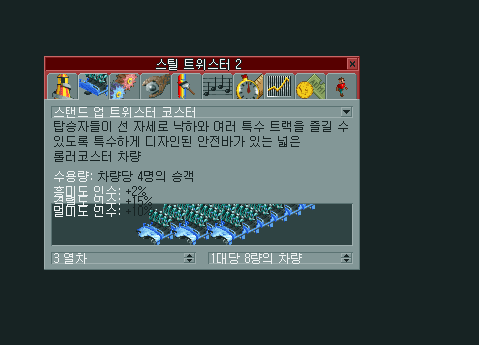
Overflowing Text
A common problem in localization is text exceeding the allocated space in menus, buttons, or UI elements. Without testing, these issues may require last-minute fixes that disrupt your timeline.
Mistranslations or Inappropriate Language
Without proper testing, mistranslations or inaccuracies can slip through, alienating players and damaging your game’s reputation. Post-release fixes for these errors can be expensive and time-consuming.
Bugs with Non-Latin Scripts
Languages like Chinese, Arabic, or Russian often require special font rendering, text alignment, or character encoding. If these aren’t tested thoroughly, they can cause display issues or even game crashes.
How to Avoid This
Include localization testing in your budget and timeline. Work with a provider that offers testing services or hire a dedicated QA team. Ensure testers have access to all localized assets and understand the game’s context. Testing should cover both linguistic accuracy and technical integration to deliver a polished experience for players.
UI and Visual Assets
UI and visual assets play a critical role in a game’s usability and player experience. Poorly localized UI can confuse players and impact their overall enjoyment of the game.
Text Expansion
Text often expands or shortens during localization due to linguistic differences. This can lead to overflowing text in buttons, menus, or dialogue boxes, requiring redesigns. If unplanned during development, these fixes might need to be rushed, increasing costs.
Localized Images
Images containing embedded text need to be recreated for each target language. For example, promotional banners or in-game tutorials may require separate versions for Spanish, Japanese, or French markets. This additional workload can quickly inflate the localization budget.
How to Avoid This
Design your game with localization in mind. Use flexible UI layouts that accommodate text expansion and avoid embedding text directly into images. To manage overflowing text, use anchor points, while for images, employ dynamic text layers that overlay graphics. Collaborate with designers early on to create assets that are easy to adapt for multiple languages. Include these adjustments in your localization budget and timeline to avoid rushed fixes later.
Delays from Poor Planning
Poor planning is one of the most significant causes of localization delays. These delays can lead to missed release dates, frustrated teams, and increased costs. Common planning issues include:
Incomplete String Extraction
If string extraction is rushed or incomplete, some in-game text may be left untranslated, requiring last-minute fixes. This can lead to inconsistencies and additional work for both translators and developers.
Missing Context for Translators
When translators don’t have enough information about the text, they may produce translations that don’t align with your game’s tone or gameplay. This lack of context often results in costly revisions and delays.
Lack of Preparation for Testing
Skipping or rushing the preparation phase for testing can result in avoidable bugs or errors slipping through. Without enough time allocated for testing, the final product may fail to meet quality standards, necessitating further delays and fixes.
How to Avoid This
Start localization planning early in the development process. Prepare assets thoroughly and organize text systematically, using XLSX files or Google Sheets is ideal. Provide detailed context for translators and allocate sufficient time for revisions and testing. Use content management systems or localization software to streamline workflows and reduce errors. Proper localization planning reduces the likelihood of delays, ensuring a smoother, more efficient process overall.
Conclusion
Game localization is an essential step for reaching global audiences, but without careful planning, it can lead to unexpected costs and delays. By understanding the hidden costs of game localization and taking proactive steps, you can ensure a smoother and more cost-effective localization process. Invest the time upfront to plan and communicate effectively, and you’ll set your game up for success. With these strategies, you can transform localization from a potential cost center into a valuable investment in your game’s global reach and player satisfaction.