
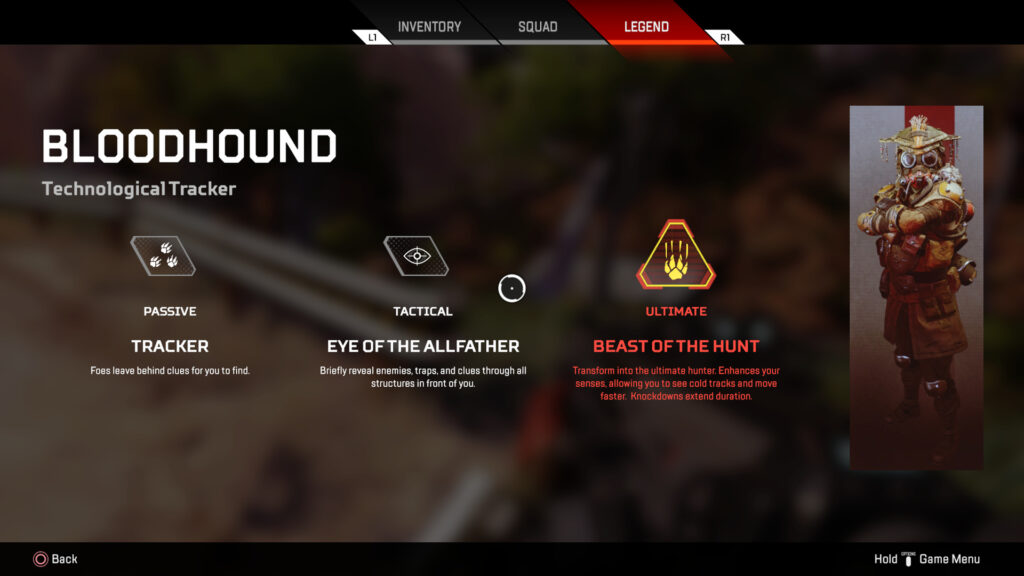
One of the most overlooked yet essential aspects of game localization is ensuring consistency throughout the game. That’s where style guides and glossaries come into play. A consistent translation creates a more engaging experience for players and makes navigation smoother.
What Do We Mean by Consistency in Game Localization?
Imagine playing a game where a key character is referred to by different names in various parts of the story. Where in-game instructions use different terms for the same action or where in-game dates are written in different formats. Inconsistencies like these break immersion, frustrate players, and can even impact gameplay. Forget engagement—it’s a usability issue.
Examples of inconsistencies game localization
Inconsistent localization can lead to:
- Confusing terminology, making it harder for players to follow objectives.
- Mismatched tones, which create an uneven narrative experience.
- Gameplay errors, such as misinterpreted instructions.
- Loss of identity, where key names, slogans, or catchphrases aren’t uniform across translations.
- Formatting issues, like inconsistent date formats that can cause players to miss out on special deals.
This is why among the best game localization practices there’s the use of style guides and glossaries.
What is a Style Guide in Game Localization?
A game localization style guide is a document that outlines rules and references for translators to follow when localizing a game. It helps maintain a consistent tone, formatting, and style throughout the game. A well-built style guide typically includes:
- Tone and voice: Should the dialogue be formal or casual? Is the humor dry or exaggerated? Should contractions be used?
- Formatting rules: How should numbers, dates, times, and currency be presented?
- For example, without a style guide, one translator might make a character sound overly formal, while another might use slang, creating an inconsistent personality.
Usually, the style guide is built by the client together with the localization provider.
A good style guide also answers questions the source text can’t. Should the game address the player formally or informally? Many languages distinguish between a polite and a casual “you”, and English simply doesn’t — so unless the guide settles it, every translator will decide on their own, and the game will flip between the two. The same goes for character voice: a short profile for each main character (age, attitude, way of speaking, verbal tics) helps translators keep a gruff mercenary gruff and a cheerful sidekick cheerful in every language. Even small mechanical choices, like whether menu labels use sentence case or title case, belong in the guide, because they are exactly the kind of detail that drifts when nobody writes it down.
What’s the Difference Between a Style Guide and a Glossary?
The two documents get mentioned together so often that they sometimes blur into one, but they solve different problems. The style guide answers “how should this game sound and look in the target language?” — tone, register, formatting, punctuation, the rules of the road. The glossary answers “what do we call this specific thing?” — a fixed list of terms with one approved translation each. A style guide without a glossary leaves key names unprotected; a glossary without a style guide gives you consistent terms wrapped in an inconsistent voice. You want both, and you want them talking to each other.
The Role of Glossaries in Game Localization
A game localization glossary is a list of key terms, character names, item names, and other crucial terminology with their approved translations. It ensures that specific words and phrases remain consistent across the entire localization process. A glossary should include:
- Character names and titles: Prevents the same character from having different names in different parts of the game.
- Item and ability names: If a spell is called “Shadow Burst” in one scene, it shouldn’t suddenly become “Dark Explosion” in another.
- UI terminology: Ensures standardized translations for menus, buttons, and notifications to make navigation easier.
- Lore-specific terms: Covers unique words that are essential to the game’s universe, such as invented languages, factions, or mythical creatures.
How to Create a Game Localization Style Guide
Creating a game localization style guide isn’t complicated, but it does require planning.
- Define the game’s tone and style. Should it be formal, informal, lighthearted, or serious?
- Outline formatting rules. Provide clear instructions on handling dates, currency, measurements, and capitalization.
- List do’s and don’ts. Offer specific examples of preferred translations versus those to avoid.
- Establish guidelines for abbreviations, punctuation, tags, and variables.
One more practical tip: keep it usable. A style guide that reads like a legal contract won’t get opened mid-project. Short sections, concrete examples, and a clear “preferred vs. avoid” format make it far more likely that translators actually consult it while working, which is the whole point.
When Should You Create Your Style Guide and Glossary?
The short answer: before translation starts, not after problems appear. The best moment is during localization prep, when the source text is being extracted and organized. That’s when you can pull out recurring terms — character names, abilities, items, UI labels, lore vocabulary — and agree on how each should be handled before a single string is translated. Building the glossary after the fact means hunting down every inconsistency retroactively, which costs far more time than preventing them would have.
Both documents should also be treated as living resources. Games change during development and after launch: new characters appear, mechanics get renamed, DLC introduces fresh terminology. Someone — on the client side, the provider side, or both — should own the job of keeping the glossary current and pushing updates to everyone working on the project. A stale glossary quietly becomes a source of inconsistency itself, because translators end up trusting a document that no longer matches the game.
How to Maintain Terminology in the Game Localization Process
Once a game localization glossary is established, it needs to be implemented effectively throughout the entire process. One of the advantages of working with professional localization providers is that they use CAT tools with built-in term bases that help translators automatically maintain consistency.
Here’s what that looks like in practice: the approved glossary is loaded into the translation tool as a term base, and whenever a glossary term appears in the source text, the tool shows the translator the approved translation right next to the segment they’re working on. Automated quality checks then flag any segment where a glossary term was translated differently from the approved version, so deviations get caught during the process rather than discovered by players. Combined with translation memory — which stores previously translated segments for reuse — this setup means that even when multiple translators and editors work on the same language, they’re all pulling from the same source of truth.
Many indie game developers rely on fan translations or AI localization. However, these approaches rarely have access to style guides or glossaries, leading to inconsistent results. Fan translators might interpret key terms differently, causing terminology to vary within the same game. AI tools struggle with nuanced language rules, often generating inconsistent translations based on context. Without a defined localization structure, different parts of the game might have different styles and terminology, making the final product feel disjointed. Professional localization providers use specialized tools and workflows to ensure consistency across all languages and game elements.
Conclusion
Consistency issues might seem minor at first, but they can be the difference between a mediocre and a high-quality localized game. When localizing a game, there will almost always be multiple translators and editors working on a single language, significantly increasing the risk of inconsistencies. Using a style guide and glossary helps mitigate these risks and ensures a polished final product that feels seamless to players.