
RPG games are known for their rich stories, unique characters, and expansive worlds. Bringing that kind of experience to players around the world can be very rewarding for a localization team, but really tricky as well. In this blog, we’re going to break down what makes RPG game localization different from other types of game localization, and what developers can do to make the process smoother. If you’re planning to localize your own RPG, or just curious about what goes on behind the scenes, you’re in the right place.
RPGs Have a LOT of Text
Let’s start with the obvious: RPGs are text-heavy. There’s a mountain of content to localize, from main story dialogue and side quests to item descriptions, character bios, menus, and lore books. Unlike simpler games with minimal text, RPGs require localization teams to deal with a much higher word count than usual. That’s a lot of work, but that’s not even the problem; The biggest challenge, along with mistranslations obviously, are inconsistencies.
That volume also changes how you should plan the project. A text-heavy RPG can’t realistically be localized in one undifferentiated pass, so it pays to prioritize: main story and UI first, then side content, then flavor text and lore entries. Breaking the script into logical batches — and keeping dialogue in narrative order rather than exporting strings alphabetically — helps translators follow the story the way a player would, which directly improves the quality of the result.
Keeping Things Consistent When Localizing RPG Games
With such a high amount of details, like spell names, weapons, special moves, secondary characters etc. an RPG can quickly turn into a Picasso of content. If you are looking to localize your RPG, you better be ready to prepare a comprehensive localization kit. A localization kit will ensure not only that the translations are accurate, but also consistent. Prepare a list of the spell names, weapons, skills, items and characters, along with useful screenshots and descriptions. This will help the team deliver better translations, and will also facilitate the creation of a glossary, which will ensure everything remains consistent throughout. Have also a clear picture of what you want the game-text to have, as it will help with the creation of a style guide.
Context Is Everything—and Sometimes is Missing
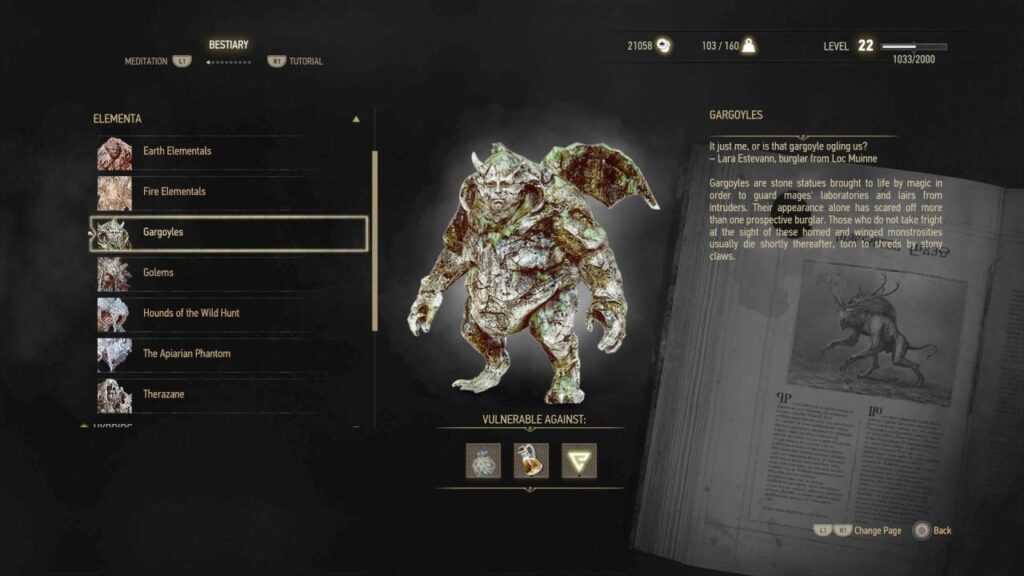
The beauty of languages is that words can have entirely different meanings based on context, but it’s also what makes game localization so difficult. That’s why context is one of the biggest requests from localization teams. Provide videos to help the team get familiar with the gameplay, and character descriptions (including their personality) to really get them to know the characters! Add comments next to each string, adding important info, such as who’s speaking and who’s listening, their tone and setting in the game. RPG game localization requires a lot of effort, but remember, the higher the skyscraper the stronger the foundations need to be!
Every Character Has a Distinct Voice
RPGs often have huge casts of characters. Each one has their own personality, speaking style, and quirks. Preserving these in another language is tough. A sarcastic rogue, a wise old wizard or a shy healer all need to sound like themselves after localization. Adding character notes, reference materials, or even voice acting samples (if available) can help translators nail the tone.
A practical way to handle this is to write a short voice profile for each major character: how formal they are, whether they use slang, how they address other characters, and a few sample lines that capture their personality. This matters even more in languages where formality levels are built into the grammar, and the translator has to decide how each character speaks to every other character. Decisions like that shouldn’t be left to guesswork.
Riddles, Wordplay, and Hidden Meanings
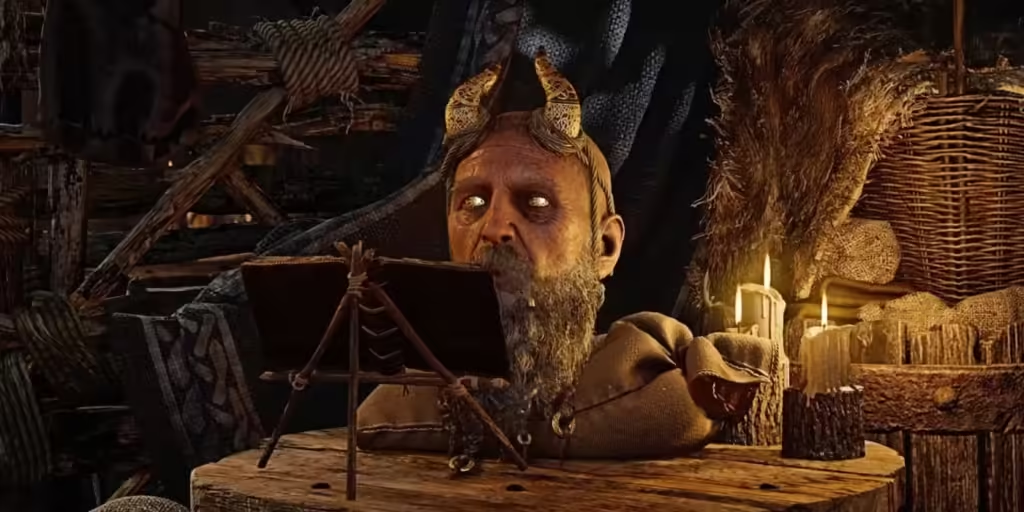
RPG game localization comes with a lot of riddles, puzzles, or clever bits of wordplay that need rethinking. These elements are often tied to the story or used to unlock secrets, so the localization team has to come up with equivalents that make sense in the target language while still fitting the logic of the game. It’s a creative challenge, especially when the original clue relies on rhymes, puns, or cultural references that don’t carry over easily.
Maintaining Consistency Across a Whole Franchise
Most RPGs aren’t stand-alone games. They’re part of larger series or universes, with long histories, recurring characters, and shared lore. That means each new title needs to stay consistent with what came before. The localization of RPG games can’t just start fresh every time, but it has to remain in line with previous games, checking past translations, and aligning with an already-established style. Without that consistency, an RPG, part of a franchise, can feel detached, like a stand alone, breaking the identity of the game. Consider something like Zelda for example. You can’t simply rename items, weapons etc.
Cultural Sensitivity Can’t Be Overlooked
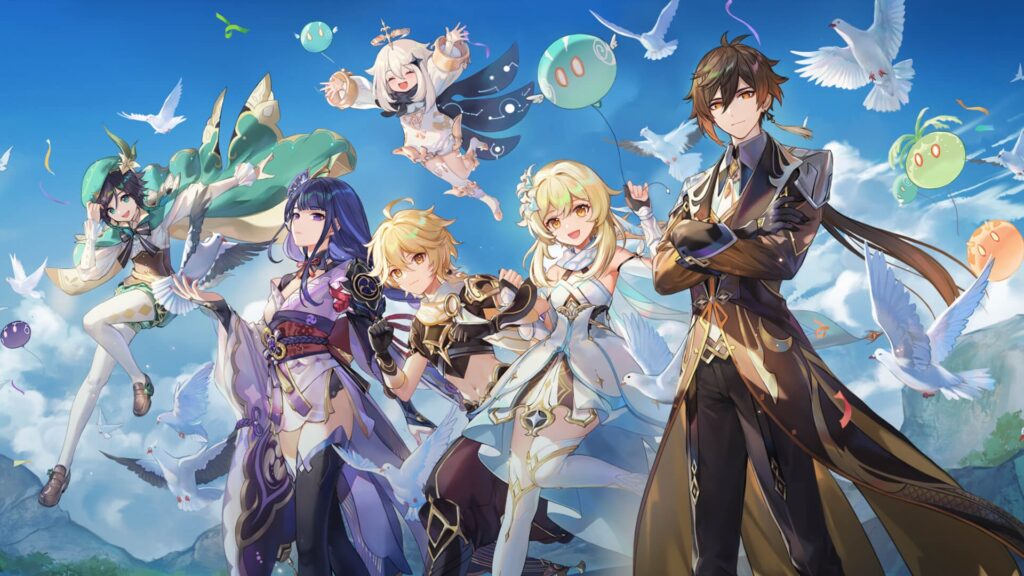
RPGs often build entire worlds from scratch, but those worlds, even if they are completely made up, often draw inspiration from existing cultures or resemble them. Even the most fantastical settings tend to borrow from real-life cultures, mythologies, and belief systems. When you play games like Zelda or Genshin Impact you can encounter architecture resembling Asian architecture. When localizing an RPG that touches on real-world influences, it’s important to handle them with care. The goal of game localization isn’t to censor or rewrite, but only to make sure these elements are presented respectfully in every language.
How Does All That Text Behave in Other Languages?
RPG interfaces are dense: skill trees, inventory grids, stat screens, and dialogue boxes all fight for space. Translated text rarely occupies the same room as the original — English tends to grow when translated into languages like German or French, and character-based languages bring their own font and line-breaking requirements. In an RPG, where a single menu can contain dozens of labels, this becomes a real design problem.
The fix is mostly preventive: keep text out of images, let text boxes resize or scroll, test your fonts against every target language early, and avoid stitching sentences together from fragments in code — word order changes from language to language, and glued-together strings often can’t be translated grammatically. Catching these issues during development is a minor tweak; catching them after translation means rework on both sides.
When Should You Start Planning RPG Localization?
Earlier than feels natural — ideally while the game is still being written. That doesn’t mean translating unfinished text; it means building the foundations: keeping strings in external files instead of hard-coding them, maintaining the glossary as new names are invented rather than reconstructing it later, and writing down the lore you’ll eventually hand to the localization team. Studios that treat localization as a launch-window task end up doing archaeology on their own game; studios that prepare as they build simply hand over the materials they already have.
Conclusion
RPG game localization is complex, but when done right, it brings entire worlds to life for players everywhere. It takes time, creativity, and a lot of collaboration, but it’s totally worth it. If you’re developing an RPG, the earlier you start thinking about localization, the smoother the process will be, and the better the experience for your players.